



PDE1
Phosphodiesterase PDE1 encodes Ca²⁺/calmodulin-regulated cyclic nucleotide phosphodiesterases that connect Ca²⁺ signaling with cAMP and cGMP degradation in the brain, heart, and vasculature[1]. Mechanistically, Ca²⁺/calmodulin binding activates PDE1 by preventing an inhibitory domain from blocking the catalytic site, thereby controlling cyclic nucleotide signaling amplitude and compartmentation[1]. In cardiovascular disease models, PDE1A is induced in activated cardiac myofibroblasts after Ang II or TGF-β stimulation and regulates extracellular matrix synthesis through cAMP-Epac-Rap1 and cGMP-PKG signaling[2]. In human arterial smooth muscle cells, PDE1C is highly expressed in proliferating primary cultures and severe atherosclerotic lesions, but not in quiescent intact human aorta[3]. Compared with related isoforms, human, monkey, and rat smooth muscle cells show different PDE1 patterns, with human cells expressing PDE1C, monkey cells expressing PDE1B, and rat cells expressing PDE1A[3]. In sperm models, PDE1A localizes to the equatorial sperm head and flagellum, and mouse PDE1A_v7 is a major mature sperm PDE1A variant regulating cyclic nucleotide hydrolysis[4][5]. For experimental applications, KS-505a selectively inhibits Ca²⁺/calmodulin-activated PDE1 isoenzymes and distinguishes subfamily members in brain-region models[6].
References:
- [1]. Nielsen J, et al. The Molecular Mechanism of PDE1 Regulation. Cells. 2025 Nov 1;14(21):1722. [Content Brief]
- [2]. Miller CL, et al. Cyclic nucleotide phosphodiesterase 1A: a key regulator of cardiac fibroblast activation and extracellular matrix remodeling in the heart. Basic Res Cardiol. 2011 Nov;106(6):1023-39. [Content Brief]
- [3]. Rybalkin SD, et al. Calmodulin-stimulated cyclic nucleotide phosphodiesterase (PDE1C) is induced in human arterial smooth muscle cells of the synthetic, proliferative phenotype. J Clin Invest. 1997 Nov 15;100(10):2611-21. [Content Brief]
- [4]. Lefièvre L, et al. Presence of cyclic nucleotide phosphodiesterases PDE1A, existing as a stable complex with calmodulin, and PDE3A in human spermatozoa. Biol Reprod. 2002 Aug;67(2):423-30. [Content Brief]
- [5]. Vasta V, et al. Identification of a new variant of PDE1A calmodulin-stimulated cyclic nucleotide phosphodiesterase expressed in mouse sperm. Biol Reprod. 2005 Oct;73(4):598-609. [Content Brief]
- [6]. Ichimura M, et al. KS-505a, an isoform-selective inhibitor of calmodulin-dependent cyclic nucleotide phosphodiesterase. Biochem J. 1996 May 15;316 ( Pt 1)(Pt 1):311-6. [Content Brief]
All Product Categories
-
PDE1 Related Products (60)
Related Products (60)

-
Nicotinamide 1,N6-ethenoadenine dinucleotide
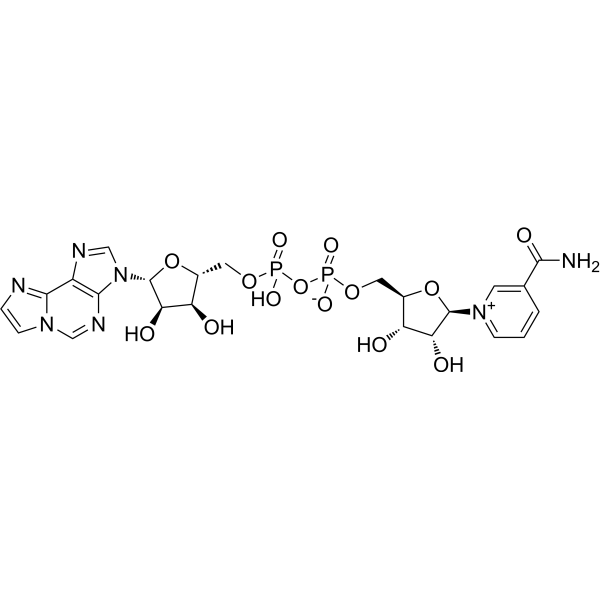 0 ImagesSynonyms: ε-NADNicotinamide 1,N6-ethenoadenine dinucleotide (ε-NAD) is a fluorescent analog of NAD. Nicotinamide 1,N6-ethenoadenine dinucleotide can be cleaved by phosphodiesterase I (from C. adamanteus venom) and binds to bovine liver glutamate dehydrogenase. Nicotinamide 1,N6-ethenoadenine dinucleotide can serve as a substrate for G-ADP ribosylation of G proteins catalyzed by bacterial toxins. Nicotinamide 1,N6-ethenoadenine dinucleotide can be used as a fluorescent substrate for the study of ADP ribosylation reactions.
-
ITI-214
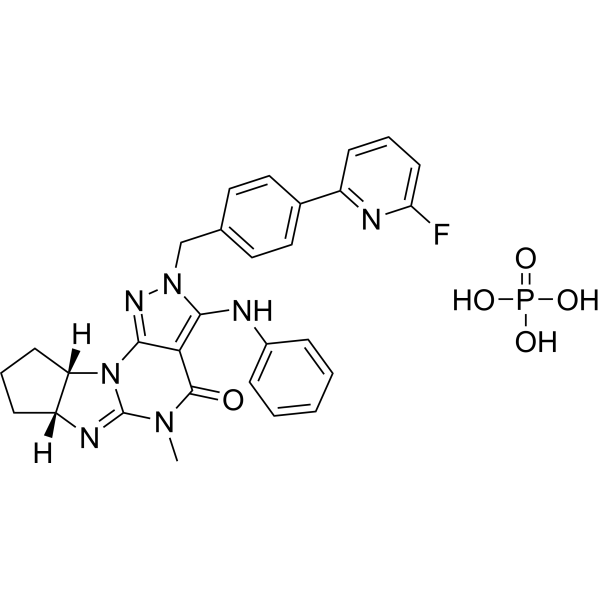 0 ImagesITI-214 is a potent, CNS-active, orally bioavailable PDE1 inhibitor (Ki of 58 pM) with excellent selectivity against other PDE family members and against a panel of enzymes, receptors, transporters and ion channels. ITI-214 inhibits recombinant full-length human PDE1A, PDE1B and PDE1C with Kis of 33 pM, 380 pM and 35 pM, respectively. ITI-214 shows efficacy in various animal models of motor and cognitive functions.
-
Avanafil
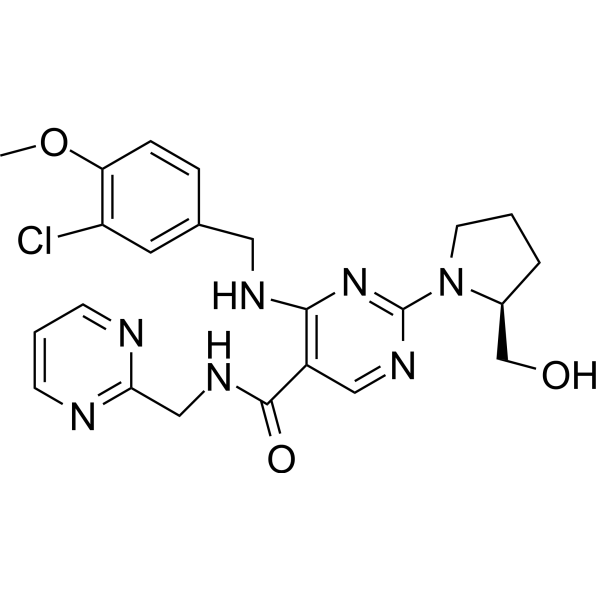 0 ImagesSynonyms: TA1790Avanafil (TA-1790) is a potent and selective phosphodiesterase-5 (PDE-5) inhibitor with IC50 values of 5.2 nM, 630 nM, 5700 nM, 6200 nM, 12000 nM, 27000 nM, 51000 nM and 53000 nM for PDE-5, PDE-6, PDE-4, PDE-10, PDE-8, PDE-7, PDE-2 and PDE-1, respectively. Avanafil activates NO/cGMP/PKG signaling-pathway to decrease loss in BMD, bone atrophy, and oxidative stress. Avanafil inhibits cyclic guanosine monophosphate (cGMP) hydrolysis and thus increases cGMP levels. Avanafil can be used for the research of erectile dysfunction and osteoporosis.
-
Vardenafil
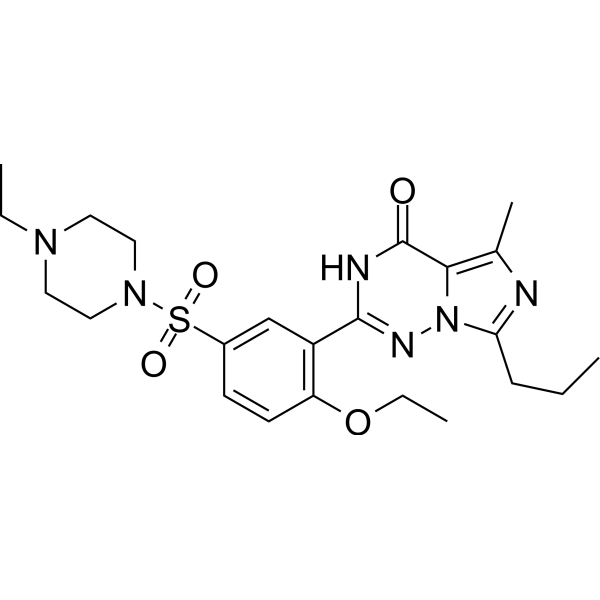 0 ImagesVardenafil is a selective and orally active inhibitor of phosphodiesterase-5 (PDE5), with an IC50 of 0.7 nM. Vardenafil shows inhibitory towards PDE1, PDE6 with IC50s of 180 nM, and 11 nM, while IC50s are >1000 nM for PDE3 and PDE4. Vardenafil competitively inhibits cyclic guanosine monophosphate (cGMP) hydrolysis and thus increases cGMP levels. Vardenafil can be used for the research of erectile dysfunction, hepatitis, diabetes[1]-[6].
-
Piclamilast
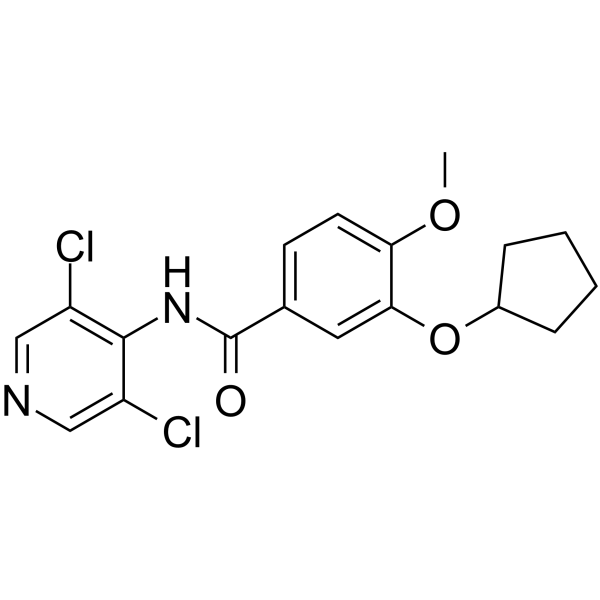 0 ImagesSynonyms: RP 73401; RPR 73401Piclamilast (RP 73401) is a phosphodiesterase 4 (PDE4) inhibitor, with IC50 values of 16 nM and 2 nM in pig aorta and eosinophil soluble, respectively.
-
Vardenafil hydrochloride
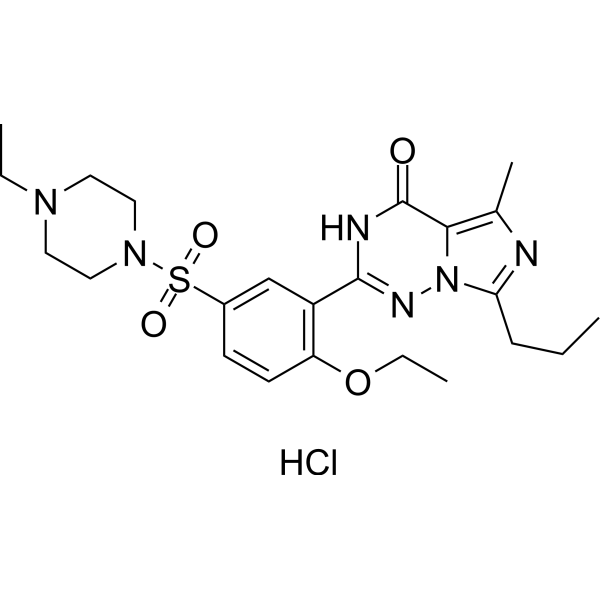 0 ImagesVardenafil hydrochloride is a selective and orally active inhibitor of phosphodiesterase-5 (PDE5), with an IC50 of 0.7 nM. Vardenafil hydrochloride shows inhibitory towards PDE1, PDE6 with IC50s of 180 nM, and 11 nM, while IC50s are >1000 nM for PDE3 and PDE4. Vardenafil hydrochloride competitively inhibits cyclic guanosine monophosphate (cGMP) hydrolysis and thus increases cGMP levels. Vardenafil hydrochloride can be used for the research of erectile dysfunction, hepatitis, diabetes[1]-[6].
-
Olprinone
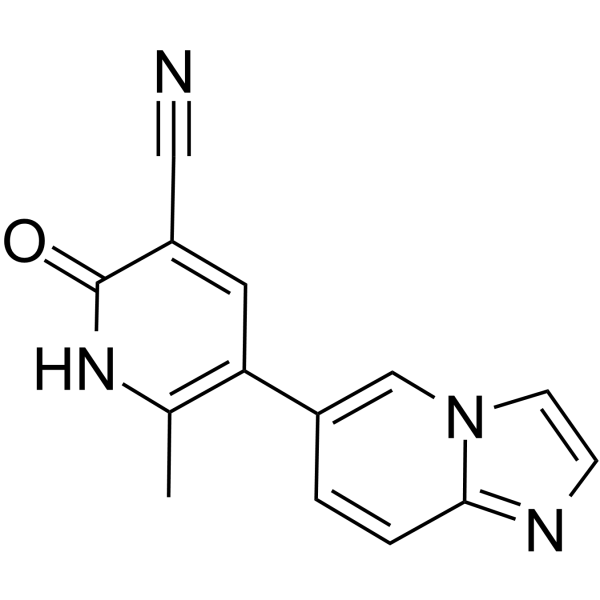 0 ImagesSynonyms: LoprinoneOlprinone (Loprinone) is a potent and selective phosphodiesterase 3 (PDE3) inhibitor, with IC50 values of 150, 100, 0.35, and 14 μM against PDE1, PDE2, PDE3, and PDE4, respectively. Olprinone exerts comprehensive protective effects including anti-inflammatory, antioxidant, and anti-apoptotic activities by elevating intracellular cAMP levels and inhibiting the NF-κB and MAPK signaling pathways. Olprinone can be used in studies related to lung injury, spinal cord injury, heart failure, myocardial ischemia-reperfusion injury, and cerebral ischemic injury.
-
NPD-001
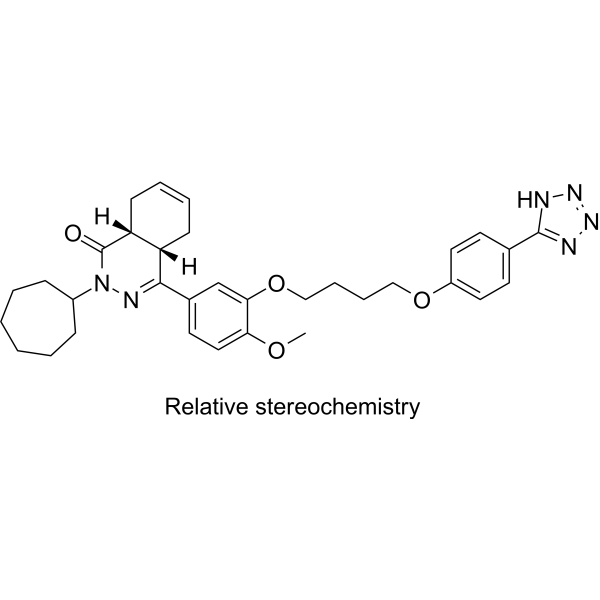 0 ImagesNPD-001 is a potent Trypanosoma brucei phosphodiesterases 1/2 (TbrPDEB1/2) inhibitor, with IC50 values of 4 and 3 nM, respectively. NPD-001 also inhibits hPDE4. NPD-001 can increase cAMP levels in parasites, prevent cytokinesis, and cause the parasites to form multinucleated, multi-flagellated cells that eventually lyse. NPD-001 can be used for the research of infection.
-
DSR-141562
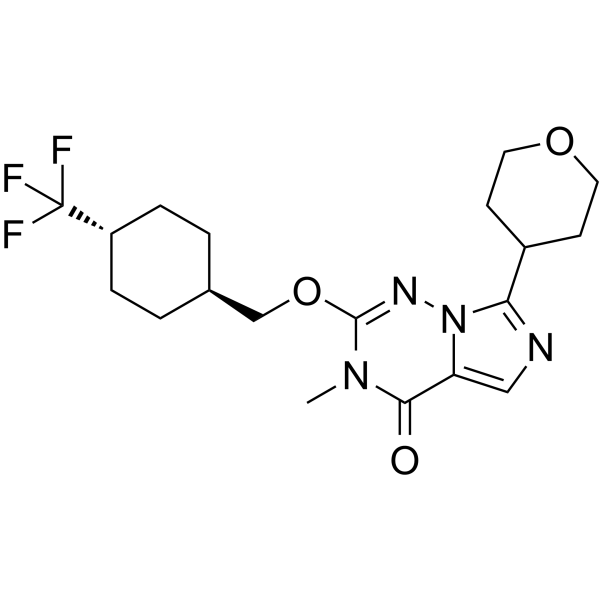 0 ImagesDSR-141562 is a novel, orally active, and selective brain-penetrant phosphodiesterase 1 (PDE1) inhibitor. DSR-141562 shows preferential selectivity for human PDE1B with an IC50 of 43.9 nM, and the IC50 values for human PDE1A and 1C are 97.6 and 431.8 nM, respectively. DSR-141562 can be used for the study of positive symptoms, negative symptoms and cognitive impairments associated with schizophrenia.
-
Osoresnontrine
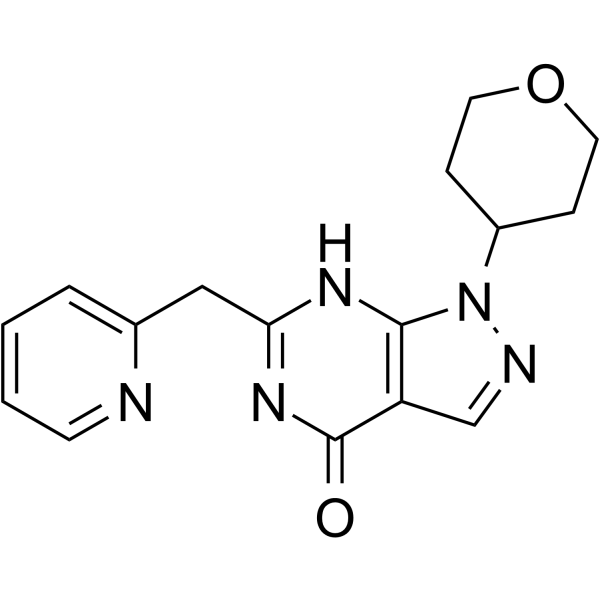 0 ImagesSynonyms: BI-409306Osoresnontrine (BI-409306) is a potent and selective PDE9A inhibitor, with an IC50 of 52 nM, and shows weak activity against other PDEs, such as PDE1A (IC50, 1.4 µM), PDE1C (IC50, 1.0 µM), PDE2A, PDE3A, PDE4B, PDE5A, PDE6AB, PDE7A, and PDE10A (IC50 all > 10 μM); Osoresnontrine can be used in the research of memory enhancement in CNS disorders.
-
CD00509
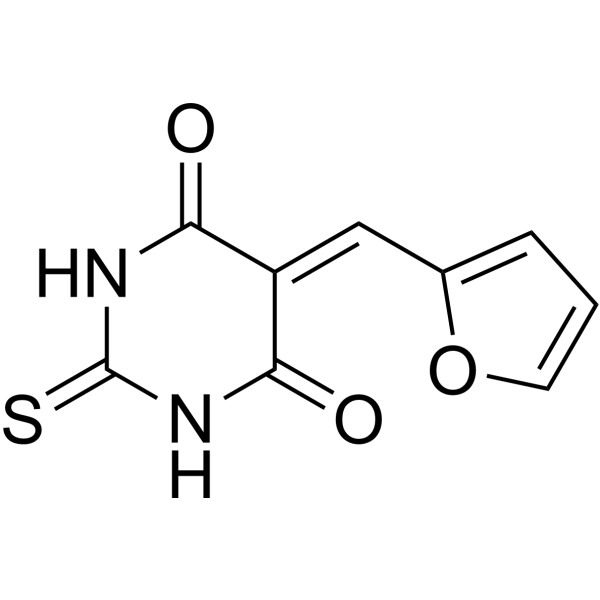 0 ImagesCD00509 is a tyrosyl-DNA phosphodiesterase (PDE) Tdp1 inhibitor with an IC50 of 0.71 μM. CD00509 increases DNA damage and promotes apoptosis of MCF-7 cells. CD00509 can sensitize breast cancer cells and wild-type murine embryonic fibroblasts (MEFs) to Camptothecin (CPT) (HY-16560). CD00509 can be used for the study of cancers such as breast cancer.
-
Vardenafil hydrochloride trihydrate
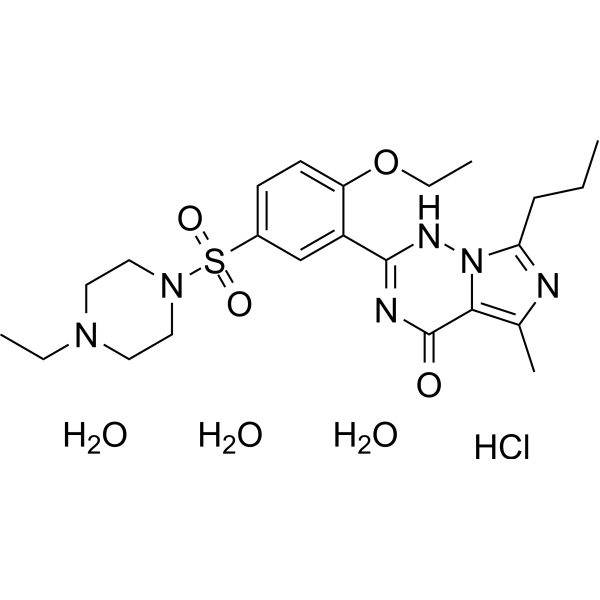 0 ImagesVardenafil hydrochloride trihydrate is a selective and orally active inhibitor of phosphodiesterase-5 (PDE5), with an IC50 of 0.7 nM. Vardenafil hydrochloride trihydrate shows inhibitory towards PDE1, PDE6 with IC50s of 180 nM, and 11 nM, while IC50s are >1000 nM for PDE3 and PDE4. Vardenafil hydrochloride trihydrate competitively inhibits cyclic guanosine monophosphate (cGMP) hydrolysis and thus increases cGMP levels. Vardenafil hydrochloride trihydrate can be used for the research of erectile dysfunction, hepatitis, diabetes[1]-[6].
-
TAK-915
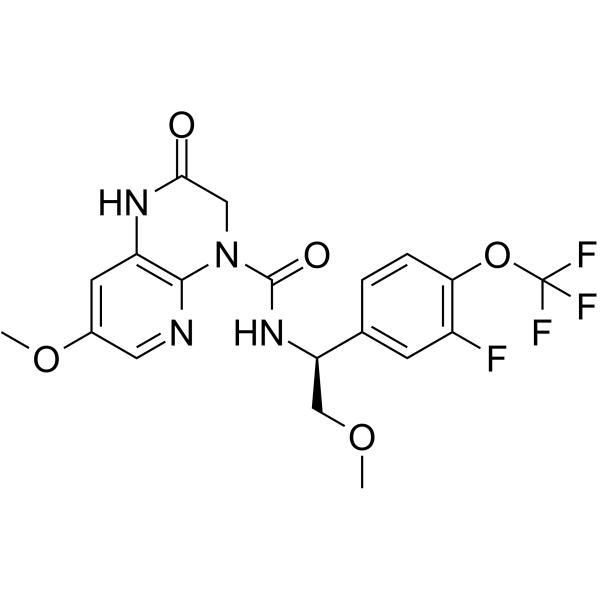 0 ImagesTAK-915 is a potent, selective, brain-penetrant and orally active phosphodiesterase 2A (PDE2A) inhibitor with an IC50 of 0.61 nM. TAK-915 is >4100-fold more selectivity for PDE2A than PDE1A. TAK-915 has the potential for neuropsychiatric and neurodegenerative disorders treatment.
-
PDE5-IN-7
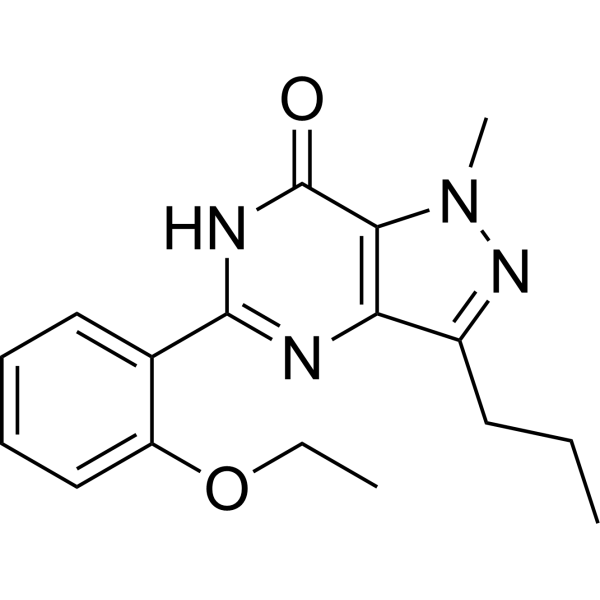 0 ImagesPDE5-IN-7 (compound 8) is a selective phosphodiesterase 5 (PDE 5) inhibitor with an IC50 value of 5 nM, while an IC50 of 300 nM for PDE 1.
-
Gisadenafil besylate
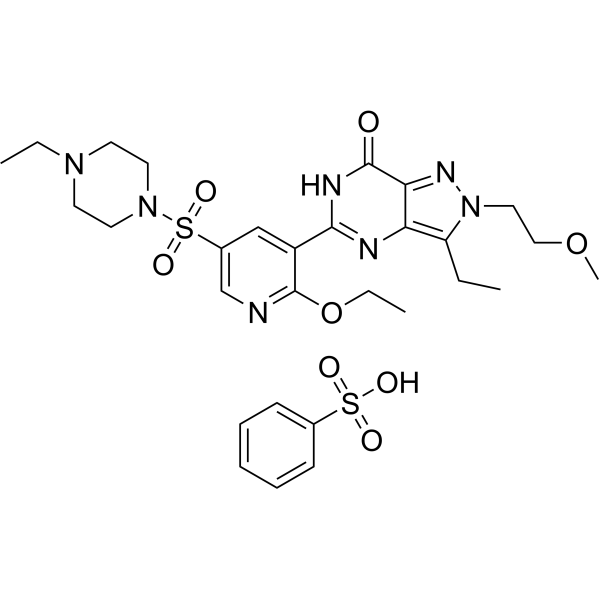 0 ImagesSynonyms: UK 369003-26Gisadenafil besylate (UK 369003-26) is a specific, orally active phosphodiesterase 5 (PDE5) inhibitor with an IC50 of 3.6 nM and prevents degradation of cyclic guanosine monophosphate (cGMP).
-
Tovinontrine
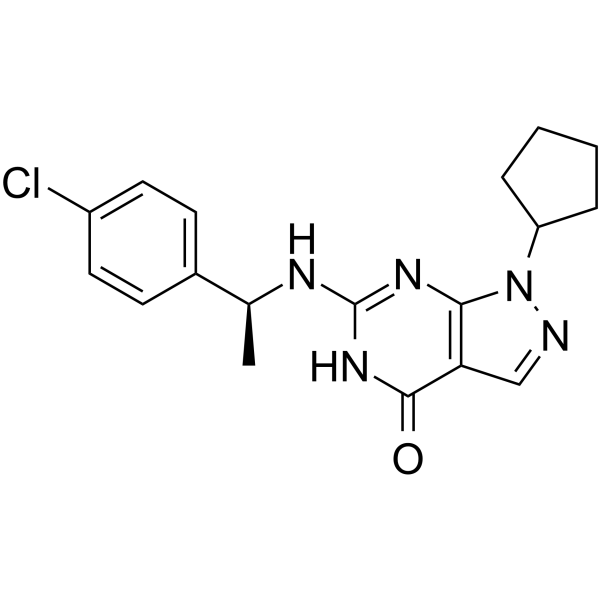
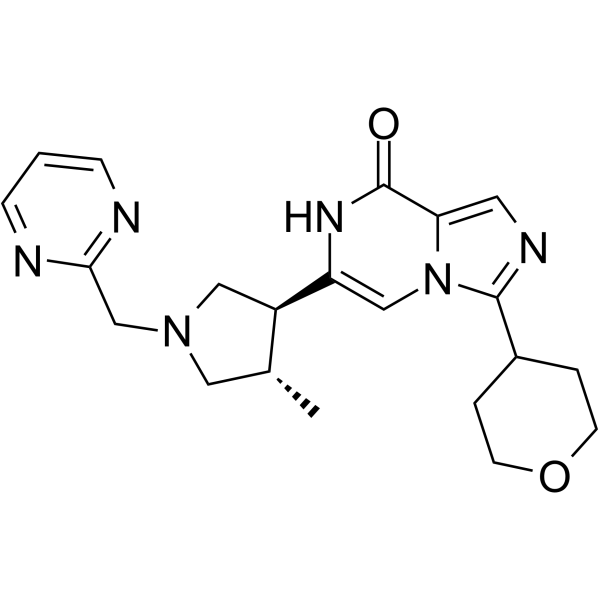 0 ImagesSynonyms: IMR-687Tovinontrine (IMR-687) is a highly potent and selective phosphodiesterase-9 (PDE9) inhibitor specifically for the treatment of sickle cell disease. IC50s are 8.19 nM and 9.99 nM for PDE9A1 and PDE9A2, respectively.
-
MBCQ
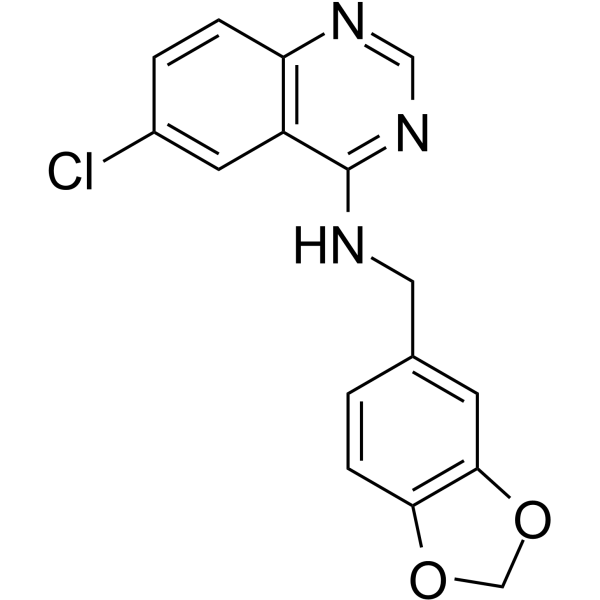 0 ImagesMBCQ is a potent and selective cGMP-specific phosphodiesterase (PDE V; PDE5) inhibitor with an IC50 of 19 nM. MBCQ lacks inhibitory activity toward other PDE isozymes (all IC50s>100 μM). MBCQ dilates coronary arteries via specific inhibition of cGMP-PDE.
-
Olprinone Hydrochloride
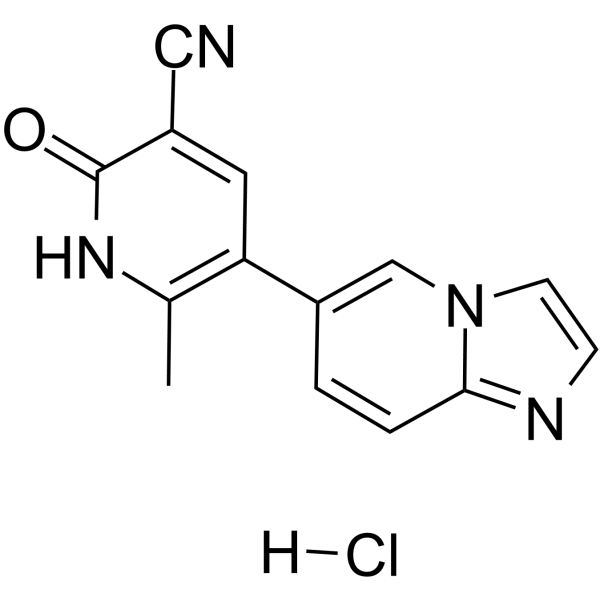 0 ImagesSynonyms: Loprinone HydrochlorideOlprinone (Loprinone) Hydrochloride is a potent and selective phosphodiesterase 3 (PDE3) inhibitor, with IC50 values of 150, 100, 0.35, and 14 μM against PDE1, PDE2, PDE3, and PDE4, respectively. Olprinone Hydrochloride exerts comprehensive protective effects including anti-inflammatory, antioxidant, and anti-apoptotic activities by elevating intracellular cAMP levels and inhibiting the NF-κB and MAPK signaling pathways. Olprinone Hydrochloride can be used in studies related to lung injury, spinal cord injury, heart failure, myocardial ischemia-reperfusion injury, and cerebral ischemic injury.
-
PDE1-IN-9
 0 ImagesCat. No.: HY-169402CAS No.: 2982945-41-3PDE1-IN-9 (Compound 7a) is a selective inhibitor for phosphodiesterase 1 (PDE1), that inhibits PDE1C with an IC50 of 11 nM. PDE1-IN-9 reduces mRNA expression of IL-1β, IL-6, TNF-α and iNOS, inhibits the production of nitric oxide (NO) and reactive oxygen species (ROS). PDE1-IN-9 exhibits good metabolic stability in rat liver microsomes.



